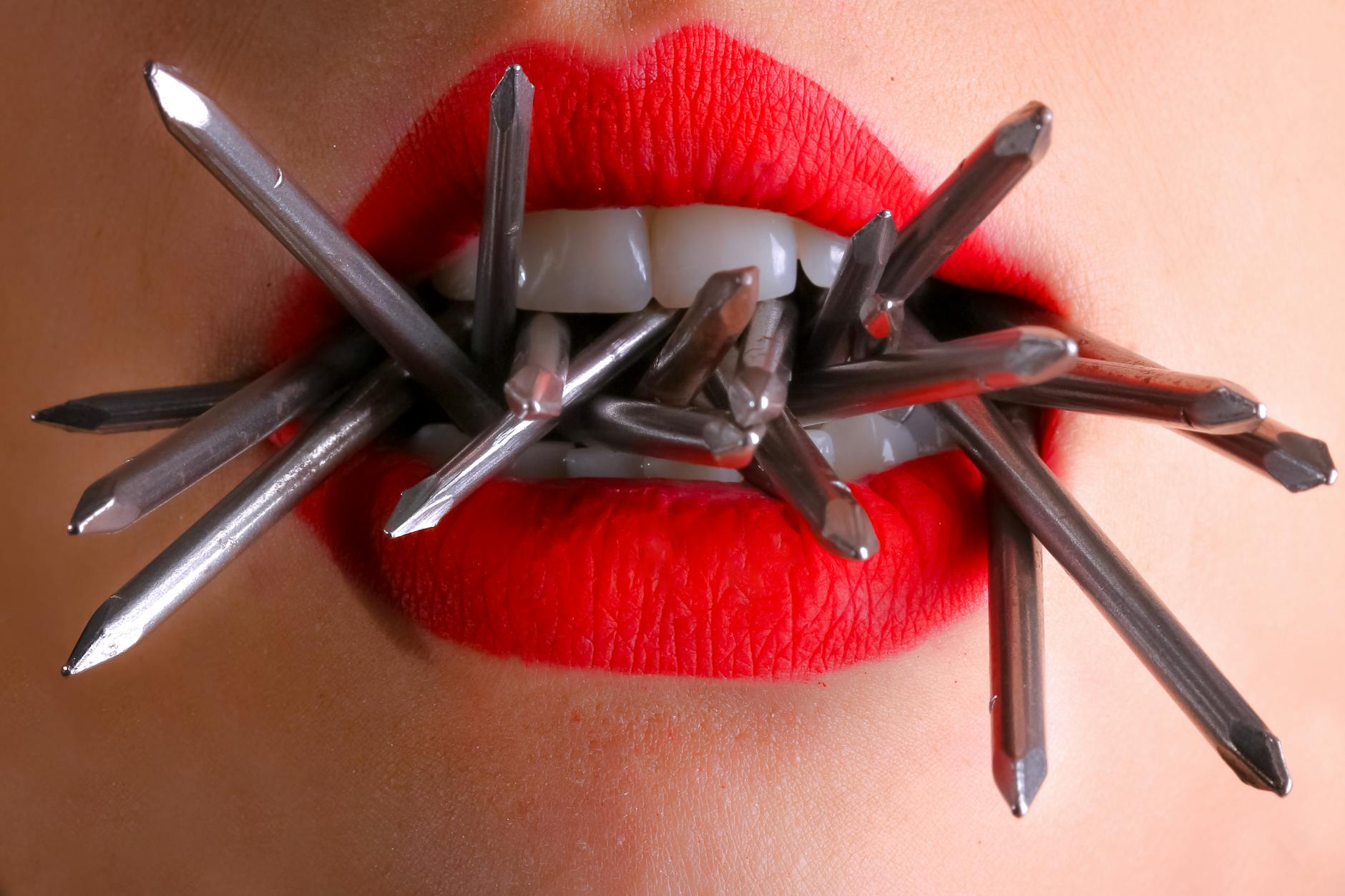
I’ve never settled for the pink-washing of my experience. Even with the best of possible outcomes, my cancer story has been gruesome, painful, and arduous. It’s also been full of unexpected beauty and eroticism. The idea of being a “survivor”, while helpful to many who need the narrative to get through the ordeal, feels problematic for me personally.
I knew from the beginning that I wasn’t going to perform breast cancer the way society expected me to. When I say I’m a breast cancer troublemaker, I’m referring to how I trouble the traditional, medicalized, pink-washed assumptions and view of breast cancer that society grips onto so tightly. The term is not one that I came up with on my own. It has its roots in queer theory, crip theory, feminist critiques of cancer culture, anti-pinkwashing activism, and the rejection of “good patient” norms.
Feminist cancer scholars seek to disrupt the myth of cancer as temporary, that it is somehow a “gift”, and that there are triumphs over or lost battles. They argue against compulsory reconstruction, femininity, heterosexuality, and gratitude. For breast cancer troublemakers, trouble is a verb: to interrupt, to question, to destabilize, and to reveal realities beneath the cultural scripts.
The term is related to a lineage that includes Audre Lorde, Eve Sedgwick, Barbara Ehrenreich, and other queer/crip scholars who resist medicalized femininity. It’s a way of saying:
- I won’t grit my teeth and smile when all I want to do is cry.
- I refuse to wear pink.
- I will not perform survivorship for the benefit and comfort of others.
- I refuse to embody society’s notions of purity, modesty, or sanitized femininity.
- I will not disappear or be a quiet, docile patient.
- I will not hide my anger, grief, or eroticism.
- I will be honest about the messiness and realities of this experience.
When you’re diagnosed with breast cancer, you’re told to be brave, beautiful, feminine, grateful, quiet, strong (but not angry), and a “survivor” instead of someone in complex physical and emotional pain. A breast cancer troublemaker disrupts these rigid expectations. I create my own narrative and share that loudly and publicly.
In practical terms, this looks like:
- speaking openly about pain, trauma, fear, and anger, not to be dramatic, but to be real.
- refusing the pink narrative that erases complexity.
- critiquing the medical system and calling out its inaccessible care, sexism, racism, ableism, gaslighting, and system-level failures.
- refusing to “move on” and instead staying with the long tail of embodiment and life-long impact of cancer on my body.
- acknowledging the realities of death, grief, and uncertainty rather than pretending everything is fine.
- bringing my sexuality, queerness, and eroticism into my narrative, bucking against these taboos in mainstream breast cancer culture.
- not sanitizing my language but instead talking about my body in language that is messy, political, erotic, or even humorous.
- resisting the pressure to be turned into an inspirational object for others by replacing sentimentality with truth-telling.
- reclaiming reconstruction on my own terms, not as mandatory femininity.
- queering my entire cancer story by taking it out of the heteronormative, pastel, suburban, middle-class frame that dominates our culture.
I claim my seat at the breast cancer troublemaker table. I’m not here to perform pink-ribbon survivorship or the good-patient script. I speak honestly about the mess, the pain, the pleasure, the fear, and the fury. Cancer didn’t make me brave or grateful. It made me louder, sharper, and more committed to telling the truth. My body is not an inspirational object; it’s a site of resistance, defiance, and complex beauty. I trouble every narrative that tries to sanitize or tidy this experience.
Leave a Reply